
Image Source: FreeImages
Overeating is a common problem for both people and animals. What seems like an easy temptation, to eat as much as you can before you start feeling hungry, actually has negative effects on our health. You see, overeating is just like drinking too much water – it’s dangerous. As we all know from experience, a few glasses of wine or an entire bottle of Coke won’t make you sick – but the combination of both can do a lot of damage in a short time. So why do we over-indulge? And what can we do about it? Read on to find out more…
What are the downsides of overeating?
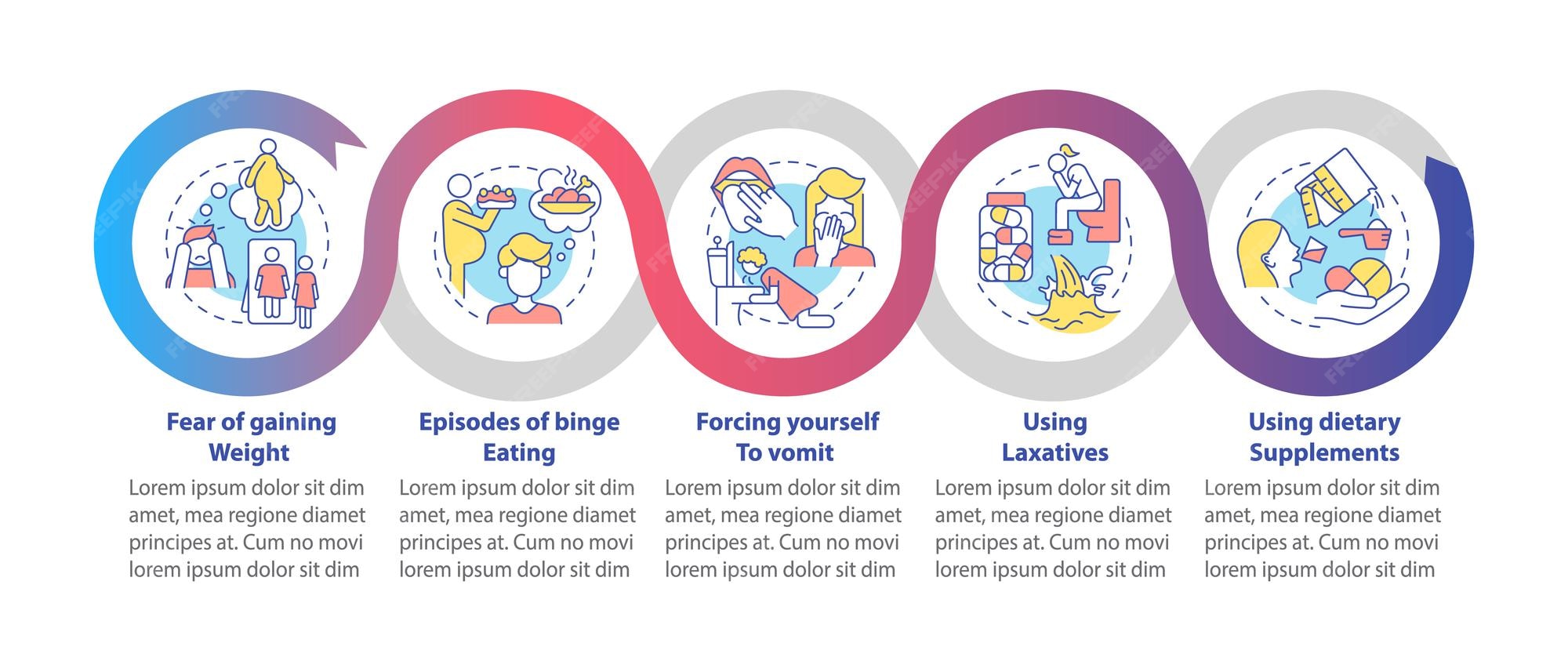
We all have one vice that we try to avoid at all costs. But what if we indulged in one little bit too much and got too full in the process? What if, as a result, we ended up with a really bad stomachache or experienced a full-blown “insatiable appetite”? These are the things that can happen when you binge on food, called “over eating”. Bingeing is when you eat so much that you feel unproductive or guilty about it, and then end up feeling depressed, jittery, and generally unable to function properly.
Why do we overeat?
Overeating can be a result of many things, like stress and a bad diet. Over time, it’s also been shown to be a side effect of many health conditions like an underactive thyroid, thyroid cancer, and an underactive Immune System. That’s why it’s important to know the reasons why you’re overeating and how to stop doing it. The good news is that it’s really easy to stop overeating once you understand the “why” of it all. So, let’s get started…
Stomachaches and upset stomachs
Over time, overeating can cause acid to build up in your stomach. As the acid attacks your delicate stomach muscles, you get cramps, spasms, and even pain in your stomach. If you have acidity in your stomach, you’re likely to experience acidity in other parts of your body as well, like your joints, nails, and hair. The good news is that stomach acidity is usually harmless and usually goes away on its own. If it doesn’t, you can use the following tips to help stop acidity in the stomach: Stay hydrated – It’s very important to keep your body hydrated to reduce the chance of acidity in the stomach. Eat foods with “good” bacteria – Many vegetables, beans, and healthy fats can help neutralize stomach acid. Hydrate regularly – You don’t want to be feeling “full” but “full-on”, which means you want to feel hydrated, not hungry. Limit your intake of caffeine – Caffeine can cause acidity in the stomach, which can lead to acidity in your bones, eyes, and skin.
How to stop eating till you’re full
The one thing you can do to control your eating is to “check yourself”. That is, when you’re in the “thoroughly fed” phase, instead of “hungry”, try to remember how you felt when you last ate. Don’t go overboard, but take note of how full you were. If you were genuinely hungry, then go ahead and eat some more. If you notice that you’re “checking yourself” too much and then “filling up again”, then you might want to re-think your eating habits.
What can we do about it?
The good news is that you can change your eating habits to start controlling your over-eating. You can: Plan your meals ahead – Make a plan for what you’re going to eat each day so that you don’t end up eating things you don’t need to feel stuffed. Don’t shop until you’re about 80% full – This one’s for real – If you’re only 15% through the shopping spree, it’s probably too late to put it down. Don’t rush through meals – Give your stomach time to feel full – If you’re not taking the time to fully enjoy your food, then you’re doing yourself a big disservice and putting yourself at risk of overeating.
Conclusion
Over eating is a common problem, but it’s also one that can be overcome with a little effort. What you put into your body is what you’ll get out of it. You can either overeat or under eat, but you can’t do both. What you put into your body is what you’ll spend out of it. You can either spend money or calories, but you can’t do both.
0 Commentaires